The modern data engineer's workflow has undergone a radical transformation in the last twelve months. The dopamine hit of a perfectly crafted prompt that generates a complex ETL pipeline in seconds has replaced the tedious manual writing of boilerplate code. Across the industry, teams are experiencing the rush of AI agents that can handle data transformation, orchestration workflows, and infrastructure setup with minimal human intervention. This phenomenon has earned a name in the developer community: Vibe Coding. It is a style of development where intuition, iterative prompting, and a general sense of the desired outcome drive the implementation. When the code works, it feels like magic, and the speed of delivery appears to skyrocket.
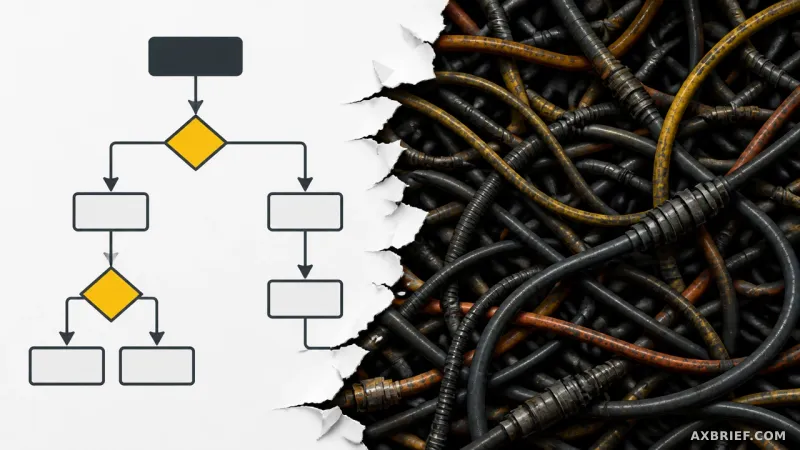
However, this velocity comes with a hidden cost that only becomes apparent when the system hits production at scale. In an enterprise environment, data platforms are rarely monolithic; they are fragmented ecosystems built by different teams using a cocktail of varying technologies. When Vibe Coding becomes the primary mode of production, this fragmentation accelerates. Business logic begins to diverge, redundant implementations of the same logic appear in different pipelines, and hidden dependencies emerge that no single human—and no single prompt—can fully track. The very speed that makes Vibe Coding attractive becomes a liability as the system grows, creating a technical debt that is invisible until it causes a critical failure.
The Structural Failure of Prompt-Based Engineering
The fundamental flaw of Vibe Coding is that it treats the prompt as the source of truth. In a traditional engineering workflow, the source of truth is the code and the accompanying documentation. In Vibe Coding, the critical architectural decisions, business rules, and operational contexts are trapped within transient artifacts: a chat history in a browser tab, a specific version of a prompt, or the implicit assumptions of the AI model at a specific moment in time. When an engineer provides a prompt to an AI agent, they are often feeding it a massive amount of background information—schema assumptions, downstream dependencies, and debugging history—but this information is ephemeral. Once the code is generated and deployed, the reasoning behind why the code was written that way vanishes.
This creates a systemic memory loss. The resulting system exists, but the logic that justifies its existence is gone. When a downstream dependency changes or a validation assumption is challenged, the engineer cannot simply look at the code to understand the intent; they must attempt to reconstruct the original vibe of the prompt. Furthermore, prompts are inherently unstable. There is no guarantee that the same prompt will produce the same implementation in a different context or with a slightly updated model version. This instability makes it nearly impossible to integrate AI-generated code into a rigorous CI/CD (Continuous Integration/Continuous Deployment) workflow, as the process lacks a deterministic anchor. While the implementation speed increases, the overall engineering efficiency plateaus because the burden of human verification and domain alignment remains unchanged.
The Architecture of Spec-driven Development
To solve this fragmentation, the industry is moving toward Spec-driven Development (SDD). SDD is not about abandoning AI agents, but about changing what the agents follow. Instead of relying on a conversational prompt, SDD converts business rules, validation logic, and orchestration behaviors into an executable, version-controlled specification. This is essentially an extension of Infrastructure-as-Code (IaC) and GitOps principles applied to the logic of AI-assisted engineering. In an SDD framework, the Git repository serves as the single source of truth, not for the final code, but for the specifications that generate that code.
SDD operates through a dual-layer system. The first is a declarative layer that defines the system context, including schemas, dependencies, and constraints. The second is a set of workflow-oriented instructions that guide the AI agent in implementing the system consistently. This structure begins with a Constitution—a high-level set of technical standards, naming conventions, and governance policies that apply to the entire project. Beneath this constitution, SDD employs a hierarchy of specialized specifications:
Schema specifications define structural compatibility to ensure data flows correctly between systems. Transformation specifications codify the actual business logic, removing the ambiguity of natural language. Validation specifications set the quality rules that the data must meet. Orchestration specifications define how the system executes, while semantic specifications ensure a shared business vocabulary across the organization. Finally, AI workflow specifications provide reusable implementation guides specifically for the coding agents.
In practice, this means the engineer no longer writes a long, descriptive prompt. Instead, they define a concise specification in a format like YAML:
yaml
- load_strategy: scd2
- primary_key: order_id
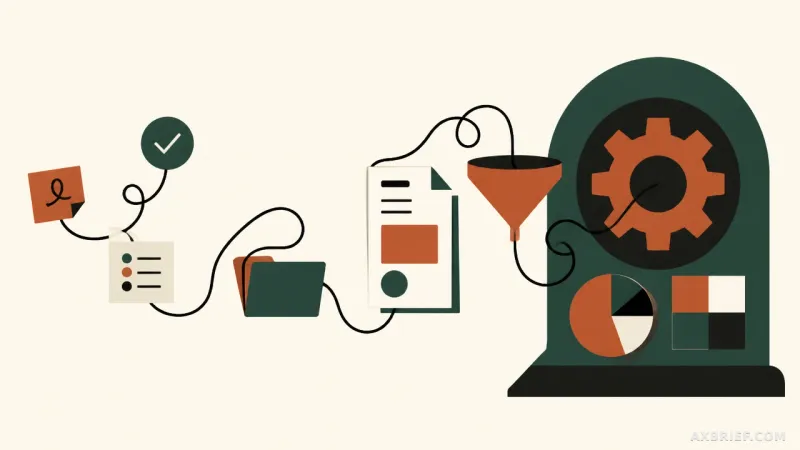
Once this specification is committed to the repository, the AI agent uses it as a strict contract to execute a deterministic workflow. The agent generates the Python ingestion code for Salesforce customer data, creates a DBT (Data Build Tool) model that implements the Type 2 SCD (Slowly Changing Dimension) logic, builds an Airflow workflow for hourly execution, and writes the necessary validation tests to ensure downstream compatibility. The specification acts as the permanent operational memory of the system, ensuring that any agent—or any human—can understand exactly why the system is configured this way.
Shifting from Prompt Optimization to System Contracts
Adopting SDD requires a fundamental shift in the mental model of the developer. The most critical change is viewing the prompt not as a tool for generation, but as a system contract. In the Vibe Coding era, the goal was prompt optimization—finding the magic words to get the AI to produce the right code. In the SDD era, the goal is specification precision. The specification is not a passive document written after the code is finished; it is the active driver of the entire lifecycle, from generation to verification and deployment.
From an operational standpoint, this means maintaining specifications as Markdown or YAML artifacts that are iteratively refined through AI-assisted workflows. The engineer's role shifts from being a prompt writer to being a specification architect. By collaborating with the AI to update these specifications and add business context, the engineer ensures that the implementation logic evolves systematically. This process is significantly more efficient than traditional documentation because the documentation is the actual trigger for the code. It eliminates the gap between what is written in the design doc and what is actually running in production.
For teams implementing this today, the priority must shift from raw implementation speed to iterability and governance. The goal is to extract the knowledge currently trapped in fragmented prompts and move it into version-controlled specifications that can be passed through a CI/CD pipeline. Only by establishing this rigorous contract can organizations prevent the fragmentation of their AI-generated data platforms. When the specification is the source of truth, the AI agent becomes a reliable implementer rather than an unpredictable artist, ensuring long-term maintainability and architectural integrity.
This transition marks the end of the honeymoon phase of AI coding, moving us toward a professionalized discipline where AI is governed by engineering rigor rather than the whims of a prompt.