The era of treating aging as an inevitable decline is ending, replaced by a period of precision engineering where AI identifies the exact cellular culprits of decay. For decades, the medical community viewed the accumulation of senescent cells—often called zombie cells—as a natural byproduct of time, but new data suggests these cells are actually active drivers of disease. The emergence of RLS-1496, a molecule designed by Rubedo, marks a pivotal shift from managing the symptoms of cellular aging to actively eradicating the source. This is no longer a theoretical exercise in longevity; it is a clinical reality that is already altering the physical structure of human skin.
The ALEMBIC Engine and the Hunt for Zombie Cells
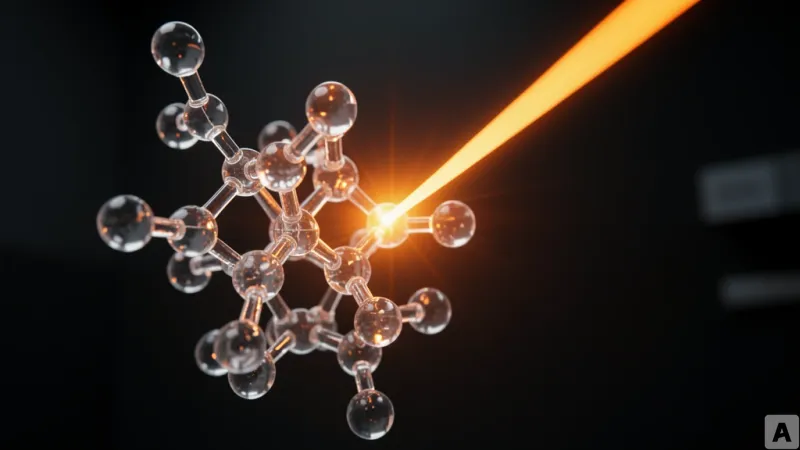
Rubedo has moved beyond the traditional trial-and-error method of pharmacology by deploying a sophisticated AI system known as ALEMBIC. This platform does not simply scan databases for existing chemicals; it analyzes the very architecture of disease at a granular level. By integrating single-cell RNA sequencing (scRNAseq) with spatial omics, ALEMBIC can map the genetic expression of individual cells while simultaneously pinpointing their exact physical location within a tissue sample. This dual-layered approach allows researchers to identify the specific molecular signatures of senescent cells that are causing inflammation in the surrounding healthy tissue.
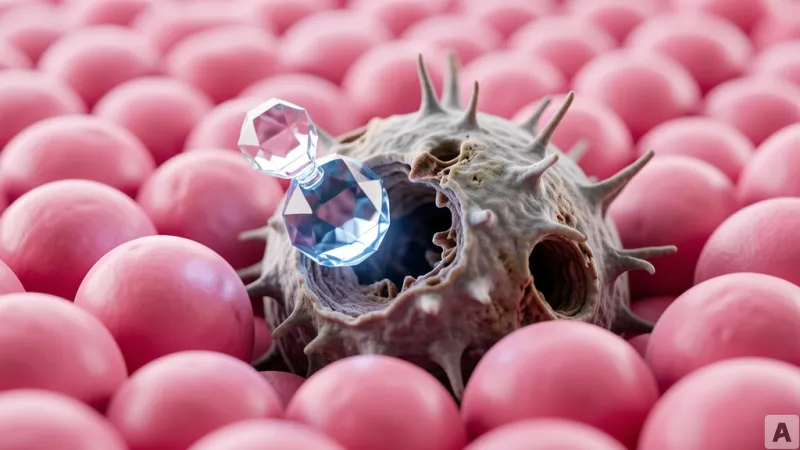
Zombie cells are particularly dangerous because they refuse to die. In a healthy system, damaged cells undergo apoptosis, a programmed cell death that clears the way for new growth. Senescent cells, however, bypass this process and linger, secreting a toxic cocktail of pro-inflammatory cytokines known as the senescence-associated secretory phenotype (SASP). This SASP effectively poisons the neighborhood, turning healthy cells into dysfunctional ones and creating a cycle of chronic inflammation. ALEMBIC was designed to find the specific vulnerability in these stubborn cells, leading to the creation of RLS-1496.
Precision Targeting via Ferroptosis
Historically, the field of senolytics—drugs that kill senescent cells—relied heavily on drug repurposing. Scientists would take a medication designed for hypertension or diabetes and discover it had a side effect of clearing old cells. While promising, this shotgun approach often lacked specificity, leading to off-target effects and inconsistent results. RLS-1496 represents a departure from this legacy. It is a precision-engineered tool designed from the ground up to trigger ferroptosis, a unique form of iron-dependent programmed cell death.
The brilliance of RLS-1496 lies in its targeting of the GPX4 protein. GPX4 acts as a cellular shield, preventing the buildup of lipid peroxides that would otherwise cause the cell membrane to rupture. Zombie cells are biologically addicted to GPX4; they over-rely on this protein to survive despite their internal damage. RLS-1496 selectively inhibits this shield in senescent cells, causing them to essentially explode from the inside out. Because healthy cells possess redundant protective pathways and do not rely exclusively on the specific GPX4 mechanism targeted by the drug, they remain untouched. This transforms the treatment from a broad-spectrum attack into a surgical strike.
Clinical Results and the Path to Pre-Cancer Treatment
Recent clinical trials conducted in the Netherlands provide the first concrete evidence of this precision in action. In patients suffering from psoriasis, a condition characterized by rapid skin cell turnover and thickening, RLS-1496 reduced average skin thickness by 20 percent. This is a significant physiological change that suggests the drug is not just suppressing inflammation but is removing the cellular drivers of the disease. Furthermore, 25 percent of patients with atopic dermatitis reported a noticeable reduction in itching, a symptom that is notoriously difficult to treat with traditional steroids.
Rubedo is now expanding these trials to the United States, focusing on actinic keratosis. This condition consists of precancerous skin lesions caused by chronic ultraviolet radiation. These lesions are densely packed with zombie cells marked by the p16INK4a protein. Traditional treatments for actinic keratosis typically involve freezing the skin or using creams that stimulate the immune system to attack the area, which often results in significant pain and scarring. RLS-1496 takes a fundamentally different approach by targeting the p16INK4a-positive cells directly. By removing these cells and silencing the SASP inflammatory signals they emit, the drug allows the skin tissue to regenerate and return to a healthy state.
This transition from management to eradication signals a new chapter in dermatology and regenerative medicine. We are moving away from the era of topical creams that mask symptoms and toward a future of molecular interventions that delete the cause of the pathology. As AI tools like ALEMBIC continue to refine our understanding of the cellular landscape, the ability to selectively prune the body of its most dysfunctional cells will likely extend far beyond the skin, potentially addressing systemic aging and organ decay.