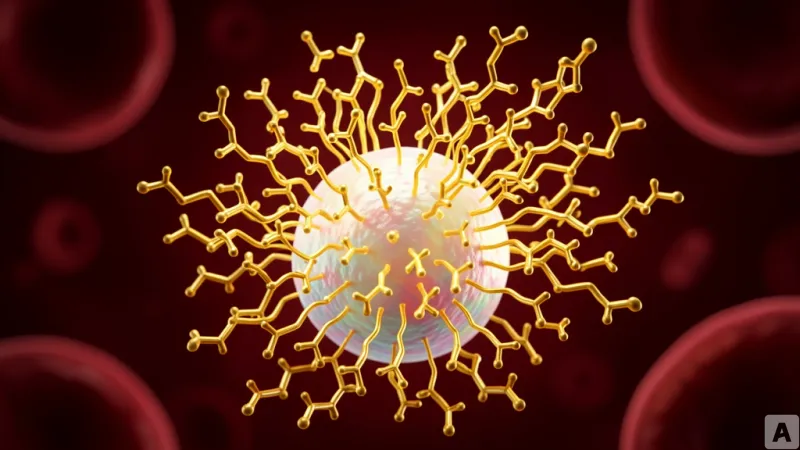
The era of the annual flu shot may soon be replaced by a single, permanent genetic upgrade to the human immune system. For decades, the medical community has played a losing game of cat and mouse with rapidly mutating viruses, forcing patients into a cycle of seasonal boosters and lifelong medication. However, new research from Rockefeller University suggests a fundamental shift in how we approach immunity, moving away from temporary triggers and toward the installation of permanent biological factories within the blood.
The Failure of the Seasonal Vaccine
To understand why this breakthrough matters, one must first understand why current vaccines often fail. Most traditional vaccines work by teaching the immune system to recognize a specific protein on the surface of a virus. This is essentially a lock-and-key mechanism. The body creates antibodies that act as keys, designed to fit perfectly into the lock of a specific viral strain. When the key fits, the antibody neutralizes the virus.
The problem is that viruses like influenza and HIV are masters of disguise. Through a process of rapid mutation, they constantly change the shape of their surface proteins. By the time a new flu season arrives, the virus has changed its lock, rendering last year's keys useless. This viral drift is the reason why millions of people must return to the clinic every winter for a reformulated shot.
Even in the case of HIV, the virus mutates so aggressively within a single patient that the immune system cannot keep up. While scientists have developed powerful antibodies in laboratories that can neutralize HIV, these treatments are temporary. Injecting these antibodies into a patient provides passive immunity, but the proteins eventually degrade and disappear from the bloodstream, requiring frequent and expensive infusions to maintain protection.
Engineering the Biological Factory
Researchers at Rockefeller University have bypassed the need for repeated injections by targeting the very root of the blood system: Hematopoietic Stem Cells (HSPCs). These are the progenitor cells responsible for creating every type of blood cell in the body. By genetically modifying these stem cells, the team has effectively rewritten the blueprint for the patient's immune system.
The goal was to program these stem cells to differentiate into B-cells that produce broadly neutralizing antibodies, known as bNAbs. Unlike standard antibodies, bNAbs act as master keys. Instead of targeting the parts of a virus that change frequently, they target the conserved regions—the essential parts of the virus that cannot mutate without the virus losing its ability to function. If the virus changes these regions, it essentially commits suicide.
The efficiency of this approach is perhaps the most startling discovery of the study. In experiments with mice, the researchers found that they did not need to convert every single stem cell to achieve total protection. Out of 370 cultured blood stem cells, only 29 successfully engineered cells were enough to populate the system and produce a sufficient volume of antibodies to neutralize multiple strains of HIV. These antibodies remained active and present in the blood for over nine months, proving that the body had become a self-sustaining factory for its own defense.
A Universal Shield Against Pathogens
This technology extends far beyond the flu or HIV. The researchers tested the system against malaria and lethal strains of influenza, and the results were definitive. Mice equipped with these engineered stem cell factories survived lethal doses of the flu that would have killed untreated subjects. The implications suggest that we could potentially engineer immunity against a wide array of pathogens that have previously evaded vaccine efforts.
Furthermore, the application of this research reaches into the realm of genetic disorders. Many chronic diseases are caused by the body's inability to produce a specific protein. Hemophilia, for example, occurs when the blood lacks the necessary clotting factors. By using the same HSPC engineering technique, scientists could theoretically install a permanent production line for the missing protein, turning a lifelong condition requiring regular infusions into a one-time curative procedure.
The team further validated these findings using humanized mice—animals engineered to possess human immune systems. The success rate in these models was even higher than in standard mice, suggesting that the transition to human clinical trials is a viable next step. This represents a move toward a new paradigm of medicine where the focus is not on treating symptoms or providing temporary boosts, but on upgrading the biological infrastructure of the patient.
As we move toward a future of precision genetic medicine, the ability to install permanent health factories within the body marks a turning point. We are transitioning from a world of reactive healthcare to one of proactive biological engineering. The prospect of a single injection providing lifelong protection against the world's most elusive viruses is no longer a theoretical ambition, but a tangible scientific reality.