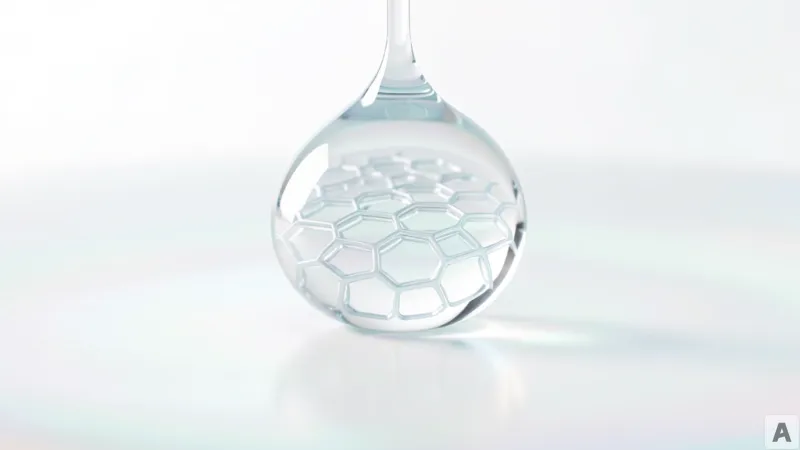
The skincare industry is currently undergoing a fundamental shift from subjective marketing claims to rigorous, data-driven clinical validation. For decades, the beauty market has relied on vague descriptors like glowing or rejuvenated to sell products, leaving consumers to guess whether a formula actually works. However, the arrival of the Hydrobiome Serum by Epicutis signals a transition toward a pharmaceutical standard of evidence, where success is measured in percentage points rather than anecdotal testimonials.
The Data Behind the 77 Percent Gain
Quantitative proof is the new currency in high-end dermatology. To validate the efficacy of the Hydrobiome Serum, Epicutis partnered with Princeton Consumer Research to conduct a study that mirrors the gold standard of medical trials. The research involved 48 participants over an eight-week period, utilizing a double-blind, placebo-controlled methodology. In this setup, neither the clinicians nor the participants knew who received the active treatment, effectively eliminating observer bias and the placebo effect.
The results provide a stark contrast in performance. The group utilizing the serum, which features a proprietary compound known as TCP, demonstrated a 77% improvement in overall skin appearance. When compared to the control group using a standard skincare product, which saw a 56% improvement, the Hydrobiome Serum outperformed the competition by a significant 21 percentage point margin. Meanwhile, the placebo group showed no measurable change. These figures move the conversation away from whether a product works to exactly how much better it works than the existing market alternatives.
Engineering the Barrier Without the Burn
In the world of active skincare, there is typically a direct correlation between potency and irritation. High-performance ingredients often trigger inflammatory responses, resulting in redness, stinging, or dryness as the skin reacts to aggressive chemical interventions. The technical breakthrough of the Hydrobiome Serum lies in its ability to decouple high efficacy from adverse side effects. Throughout the Princeton study, participants reported zero instances of irritation or dryness, a rarity for a product delivering such high improvement rates.
This stability is achieved through the synergistic combination of TCP and TPNa, a specialized derivative of Vitamin E. Rather than suppressing the immune system to reduce inflammation—a common tactic in steroid-based treatments that can thin the skin over time—this formula targets cell membrane lipid signaling. By modulating how the outer layers of skin cells communicate, the serum selectively reinforces the skin barrier. This process allows the skin to retain moisture and reduce redness while keeping the natural immune response intact. It is essentially a precision engineering approach to dermatology, repairing the protective shield of the skin without triggering a systemic alarm.
The Strategic Pivot to Professional Channels
Beyond the biochemistry, the distribution model of the Hydrobiome Serum reveals a calculated business strategy. Epicutis has bypassed traditional retail channels, such as mass-market pharmacies or e-commerce platforms, opting instead for an exclusive distribution network of licensed dermatologists and medical spas. This decision transforms the product from a consumer cosmetic into a professional clinical tool.
By leveraging patent technology from Signum Biosciences, Epicutis has created a high technical barrier to entry that prevents easy replication by generic competitors. The professional-only model serves two primary purposes. First, it ensures that the product is administered based on an accurate diagnosis of the user's skin condition, which maximizes the perceived efficacy of the treatment. Second, it allows the brand to maintain a premium pricing structure by avoiding the race-to-the-bottom price wars common in the retail beauty sector. By securing the trust of medical professionals first, the company establishes a foundation of clinical authority that is far more durable than a viral social media trend.
The trajectory of the skincare market is clearly moving toward this intersection of biotechnology and clinical data. As consumers become more sophisticated and skeptical of traditional advertising, the ability to prove a specific percentage of improvement through third-party research will become the primary driver of value. The Hydrobiome Serum is not just a product launch but a case study in how data-driven transparency can disrupt a legacy industry.