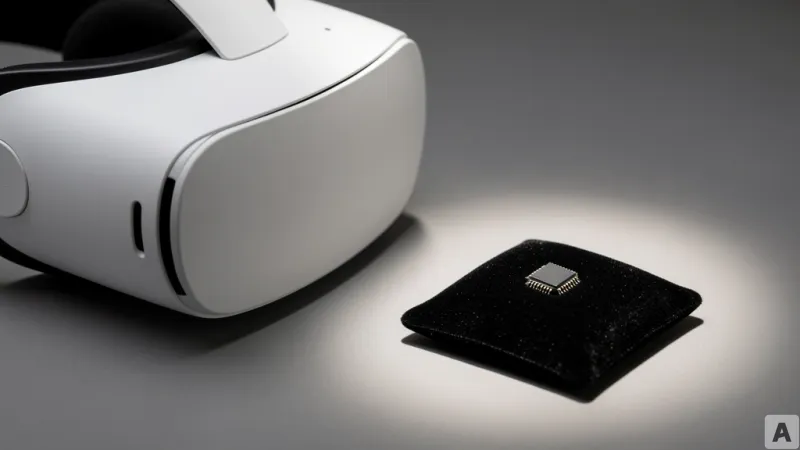
Meta is raising the price of its Quest 3 headsets by up to $100 starting April 19, signaling a broader crisis in the global semiconductor supply chain that is forcing tech giants to pass costs directly to the consumer. This price adjustment is not a strategic pivot in Meta's market positioning but a reactive measure to the soaring cost of essential hardware components. For consumers who have been tracking the entry point for high-end virtual reality, this shift represents a significant barrier to entry during a period when the industry is fighting for mass-market adoption.
The breakdown of the Meta price hike
The price adjustments affect both the entry-level and high-performance tiers of Meta's current VR lineup. The Quest 3S, designed as the more affordable gateway into the ecosystem, will see a $50 increase for both its 128GB and 256GB configurations. This moves the starting price to $349.99 and $449.99 respectively. The impact is even more pronounced for the flagship Quest 3, which is seeing a steep $100 increase, bringing the retail price to $599.99.
Meta is not limiting these increases to brand-new retail units. The company is also raising prices on refurbished hardware, which typically serves as the primary budget-friendly option for enthusiasts. While accessories such as straps, controllers, and charging docks remain at their current price points, the core hardware cost is rising across the board. This move suggests that the cost pressure is concentrated specifically in the internal compute modules rather than the external plastics or peripherals.
The systemic failure of memory chip supply
The primary driver behind this price surge is the skyrocketing cost of Random Access Memory (RAM). In the context of a VR headset, RAM acts as the critical workspace where the device stores immediate data for the processor to access. Because VR requires the rendering of two high-resolution images simultaneously at high frame rates to prevent motion sickness, the demand for high-speed, low-latency memory is absolute. If the memory is insufficient or slow, the user experiences stuttering and lag, which breaks immersion and can cause physical discomfort.
Currently, the global electronics market is grappling with a severe imbalance between the supply of memory wafers and the demand for finished chips. This is exacerbated by the current AI gold rush, where massive amounts of high-bandwidth memory are being diverted to power data centers and AI accelerators. As manufacturers prioritize high-margin AI chips, the production of standard RAM for consumer electronics has faced bottlenecks. When the cost of these raw components rises, manufacturers face a choice: absorb the loss and shrink their profit margins or raise the MSRP for the end user. Meta has chosen the latter.
A contagion affecting the broader tech ecosystem
Meta is far from the only company feeling the squeeze of the semiconductor shortage. This is a systemic issue affecting every major player in the consumer electronics space. Industry giants including Samsung, Microsoft, and Sony have already implemented similar price hikes across their product lines. The reason is simple: the same memory chips that power a Quest 3 headset are also essential for smartphones, laptops, and gaming consoles.
When a fundamental component like RAM becomes scarce, it creates a domino effect across the entire industry. A shortage at a few key fabrication plants in Asia can lead to price hikes in retail stores in New York and London. The current market is characterized by high demand and limited supply, a classic economic scenario that inevitably drives prices upward. For Sony, this manifests in the cost of PlayStation hardware; for Samsung, it impacts the pricing of the latest Galaxy series; and for Microsoft, it affects the surface of their hardware ecosystem.
This trend highlights the fragility of the global tech supply chain. The reliance on a small number of specialized foundries means that any disruption, whether geopolitical or technical, immediately translates into higher costs for the consumer. Until there is a significant increase in global fabrication capacity or a decrease in the demand for AI-specific memory, these price hikes are likely to become a recurring theme in the electronics industry.
As we move further into the year, the stability of hardware pricing will depend entirely on the recovery of the memory chip market. For now, the Meta Quest price hike serves as a warning that the era of rapidly falling hardware costs may be pausing, replaced by a period of volatility driven by the insatiable appetite for silicon in the age of artificial intelligence.