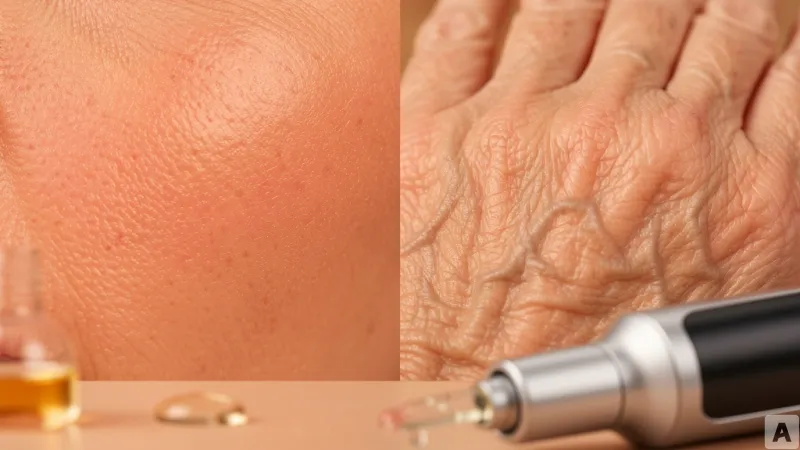
Every morning, as we stand before the mirror, we often scrutinize our skin for signs of aging. Many of us rely on temporary fixes like expensive creams or periodic treatments, which may provide fleeting satisfaction but fail to deliver lasting change. This common frustration reflects a deeper desire to understand and manage our body's biological clock, especially as it relates to skin health.
Biological Shift in Skin Aging: The Emergence of Skin Healthspan
Recently, the developer community and international media have noted a fundamental shift in how we approach skin aging. Traditionally, the focus has been on visible signs of aging, such as reducing wrinkles or restoring volume. However, the conversation is now evolving toward preserving the skin's vitality, structure, and biological performance over the long term. This change aligns with a broader trend in longevity science that distinguishes between lifespan and healthspan.
In the realm of dermatology, the concept of 'skin healthspan' or 'skinspan' has emerged. This term refers to the period during which the skin maintains optimal barrier function, immune defense, regenerative capacity, and aesthetic quality. Skin aging is now understood as a process that can be regulated by genetic programming and external stressors such as UV exposure, pollution, and inflammation, similar to systemic aging. This perspective is detailed in related research.
This shift is made possible by advancements in epigenetics (the mechanisms that regulate gene expression without altering DNA sequences), research on cellular senescence (the study of cells that cease to divide and release harmful substances), and the development of regenerative technologies. These advancements open the door to providing biological support from the early stages of aging, rather than merely correcting issues in later stages. Specific approaches being explored include telomere preservation (maintaining the length of telomeres, the protective structures at the ends of chromosomes), epigenetic clocks (indicators that measure biological age based on DNA methylation patterns), partial reprogramming to reverse aging (techniques that restore the function of aging cells through specific genetic modifications), and biomimetic peptides (synthetic peptides designed to act similarly to natural substances). Additionally, non-invasive energy-based technologies aim to enhance mitochondrial function (improving the efficiency of mitochondria, the cell's energy-producing organelles) without damaging the skin surface.
The Implications of Optimizing Biological Function Beyond Appearance
What distinguishes this new approach from traditional skin aging management? While past cosmetic dermatology primarily focused on erasing visible signs of aging, the current strategy emphasizes fundamentally regulating the biological aging process of the skin to extend healthspan. This approach goes beyond simply smoothing wrinkles or adding volume; it seeks to maintain and restore the function and vitality of skin cells themselves. For instance, technologies that reduce the burden of senescent cells can significantly improve overall skin health and function. This is akin to optimizing a software system's architecture for long-term stability and performance, rather than merely patching bugs temporarily.
This transition instills the understanding that skin aging is no longer an unavoidable fate but a biological process that we can actively intervene in and regulate. It suggests that rather than merely correcting the outcomes of aging, we can understand and control the underlying mechanisms, helping the skin maintain its optimal condition for an extended period. This approach serves as a prototype for medical interventions across all age-related diseases, signaling a shift from temporary symptomatic treatments to fundamentally effective strategies.
The fundamental shift in our approach to skin aging heralds a new future for medical interventions targeting all age-related diseases.