Mammalian tissue regeneration is no longer a biological impossibility but a matter of signal management. For decades, the ability to regrow a lost limb has been the exclusive domain of amphibians like salamanders and tadpoles, while humans and other mammals have been relegated to the formation of scar tissue. However, recent research into oxygen-sensing proteins suggests that the genetic blueprint for regeneration is not missing from the mammalian genome; it is simply being switched off too early. This discovery shifts the conversation from whether mammals can regenerate to how we can manipulate the environmental signals that suppress this latent ability.
The HIF1A Protein and the Hypoxia Trigger
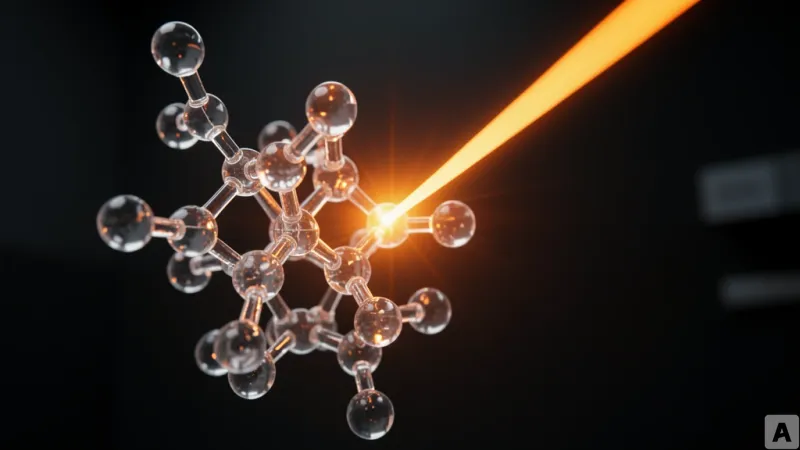
The center of this biological mystery is a protein called HIF1A, or Hypoxia-Inducible Factor 1-alpha. This protein acts as a cellular sensor that monitors oxygen levels within the body. Under normal conditions, HIF1A is quickly broken down, but when oxygen levels drop—a state known as hypoxia—the protein stabilizes and accumulates. Once active, HIF1A sends a cascade of commands to the cell, triggering pathways that promote survival, blood vessel growth, and tissue repair.
Researchers tested this mechanism by observing the embryonic stages of mice and frog tadpoles. In a controlled environment, the team manipulated oxygen concentrations to see how the cells responded to injury. The results were striking. When mouse cells were placed in a low-oxygen environment, they did not simply survive; they accelerated their wound-healing process and began exhibiting signals associated with limb regeneration. Even more tellingly, when the researchers artificially activated the HIF1A protein in an oxygen-rich environment, the mouse cells responded as if they were in a hypoxic state, triggering the same regenerative programs.
This indicates that the mammalian cell possesses the inherent machinery to initiate regeneration. The problem is not a lack of capability, but a lack of the correct signal. In the natural mammalian environment, the window of time where HIF1A remains active is too short to allow for the complex process of rebuilding a limb, leading the body to default to the faster, less efficient process of scarring.
The Genetic Switch Difference Between Species
To understand why a tadpole can regrow a leg while a mouse cannot, researchers compared the oxygen-sensing mechanisms across different species. The findings reveal a fundamental difference in how the biological switch is wired. In amphibians, the oxygen sensor is effectively broken in a way that benefits the organism. Even when oxygen levels are high, the HIF1A pathway in frogs remains active. The regeneration factory never shuts down, allowing the animal to continuously rebuild complex structures regardless of the surrounding oxygen concentration.
In contrast, mammals possess an incredibly sensitive and efficient oxygen sensor. When a mammal suffers an injury, the body quickly floods the area with oxygenated blood to prevent infection and promote rapid closure of the wound. While this is an evolutionary advantage for survival in the wild—where a slow-healing open wound is a death sentence—it is a disaster for regeneration. The moment oxygen levels rise, the mammalian sensor detects the change and immediately flips the switch to off, terminating the HIF1A response.
Because the regeneration program is cut short, the body fills the gap with collagen and fibrous tissue, creating a scar. The research suggests that mammals have traded the ability to perfectly regenerate for the ability to heal quickly. We are not missing the genes for regrowth; we are simply too efficient at turning them off.
Redefining the Future of Regenerative Medicine
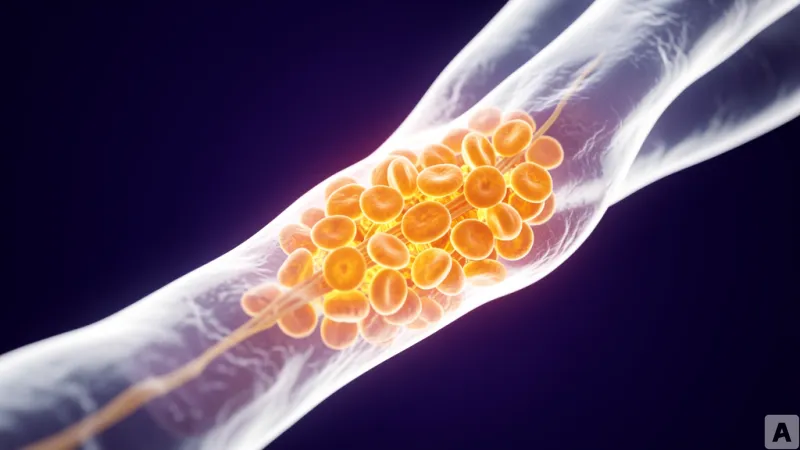
While the prospect of regrowing a human arm remains a distant goal, the implications for clinical medicine are immediate and profound. The ability to artificially modulate the oxygen-sensing pathway opens new doors for treating chronic wounds, organ failure, and severe tissue damage. If doctors can trick the body into maintaining a hypoxic signal at the site of an injury, they may be able to suppress scar formation and encourage the growth of functional tissue instead.
This approach represents a paradigm shift in regenerative medicine. Rather than introducing external stem cells or complex synthetic scaffolds, the goal becomes the manipulation of the body's own internal signaling. By targeting the HIF1A pathway, it may be possible to extend the window of regeneration, allowing the body to repair itself with a precision that was previously thought to be impossible for mammals.
We are now entering an era where the biological boundaries between species are becoming clearer, and more importantly, more permeable. The discovery that the regeneration switch exists within us, albeit in a dormant state, suggests that the key to healing lies not in adding something new to our biology, but in learning how to keep the right signals turned on.