Precision medicine is currently hitting a wall because most aging research treats the human body as a biological monolith. A groundbreaking analysis of over one million blood cells has finally mapped the divergent biological trajectories of men and women, revealing that immune senescence is not a universal process but a gender-specific one. This discovery fundamentally changes how we approach longevity and disease prevention, moving the conversation from general geriatric care to molecularly targeted interventions.
The High Resolution Map of Immune Decay
For decades, medical science relied on bulk sequencing, a method that analyzes the average gene expression of a large group of cells. While useful, this approach effectively blurred the fine details, hiding the unique behaviors of individual cell types. The recent study shifts this paradigm by employing single-cell RNA sequencing, a high-resolution technique that allows researchers to read the genetic instructions of each cell individually. By analyzing the blood of 1,000 participants and tracking the activity of 20,000 genes across more than one million cells, the research team has created a comprehensive atlas of how the immune system degrades over time.
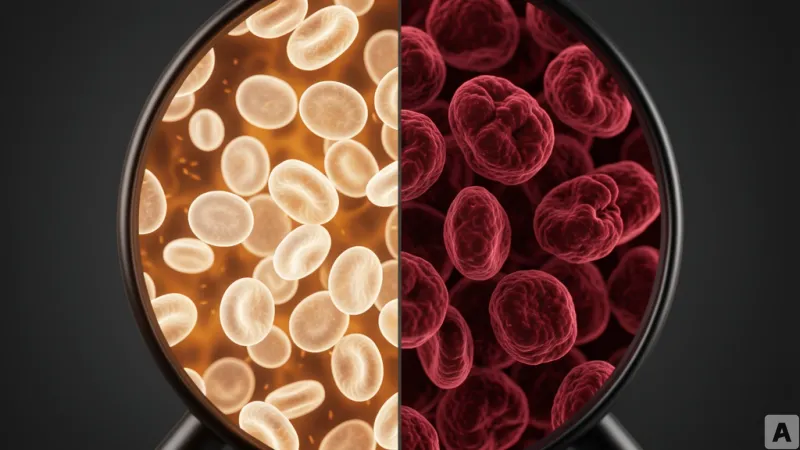
The data reveals a startling contrast in how the sexes age. While men and women may appear to follow similar aging curves on the surface, their immune systems are operating on entirely different scripts. The study shows that the female immune system is significantly more dynamic and undergoes more drastic transformations as it ages compared to the male system. This volatility is not a random occurrence but a systemic shift that dictates the types of diseases each gender is predisposed to in their later years.
The Divergent Paths to Disease
Women generally possess a more robust immune response, which often manifests as higher efficacy in vaccine responses and a more aggressive defense against initial infections. However, this innate strength becomes a liability during the aging process. The research indicates that as women age, there is a disproportionate increase in inflammatory immune cells. This hyper-active state creates a biological environment where the immune system loses its ability to distinguish between foreign invaders and the body's own healthy tissue.
This systemic inflammation explains why approximately 80 percent of autoimmune diseases occur in women. The transition is particularly acute following menopause, where the shift in hormonal balance accelerates the proliferation of these inflammatory cells. Essentially, the same mechanism that protects a young woman from infection becomes the driver of chronic autoimmune dysfunction in her later years.
Men follow a different, more insidious path. While their overall immune landscape remains more stable than that of women, the study identified specific, localized mutations in blood-forming cells. These changes are described as pre-leukemic shifts, where cells begin to exhibit characteristics of malignancy long before a clinical diagnosis of cancer occurs. This explains the higher prevalence of certain blood cancers and leukemias in older men. While women suffer from an overactive immune system that attacks itself, men are more prone to a cellular breakdown that leads to oncogenesis.
The Great Longevity Debate
These findings have ignited a fierce debate among longevity researchers and biotech developers regarding the future of anti-aging therapies. The central question is whether the industry should pursue personalized, gender-specific treatments or a universal biological reset.
One camp argues for the necessity of sex-stratified medicine. Given that women face a crisis of inflammation and autoimmunity while men face a crisis of pre-cancerous mutations, a single drug cannot possibly address both. Proponents of this view suggest that we need a female-specific longevity pipeline focused on modulating inflammatory responses and a male-specific pipeline focused on genomic stability and the prevention of leukemic shifts. In this model, the biological sex of the patient is the primary variable in determining the treatment protocol.
Conversely, some researchers argue for a holistic approach to cellular rejuvenation. They believe that if science can identify a universal master switch for aging—such as the epigenetic reprogramming of cells to a more youthful state—the gender-specific symptoms will naturally resolve. From this perspective, inflammation in women and pre-leukemic shifts in men are merely different symptoms of the same underlying decay. If the root cause of cellular senescence is solved, the divergent paths of men and women become irrelevant.
As we move closer to a reality where aging is treated as a manageable condition rather than an inevitability, this data provides the necessary roadmap. The realization that men and women age differently at a cellular level ensures that the next generation of therapeutics will be more precise, reducing side effects and increasing the efficacy of life-extension technologies. The era of one-size-fits-all medicine is ending, replaced by a molecular understanding of the human lifespan.