AI News
Daily AI industry news — funding, products, policy, and major moves from global AI companies and startups.

Mitchell Hashimoto Warns of AI Psychosis as Corporate Success Hits 0%
Mitchell Hashimoto reports a 0% success rate for corporate AI projects. Poor internal documentation and software gaps drive these technical

Why Your Claude Code Setup Needs a Dedicated Spare MacBook
Developers are using spare MacBooks to create isolated workstations for Claude Code. This setup enables full system control and Mac-app inte

Why OpenAI and Anthropic Are Leading a Trend of Homogenized AI Logos
AI companies are adopting similar circular and swirling hexagon logos. This trend stems from risk aversion and the influence of OpenAI's bra

The HBM Surge That Ended the Era of Budget Smartphones
AI data center demand for HBM is driving up consumer memory prices. Budget smartphone shipments in India fell 10 percent in the second quart
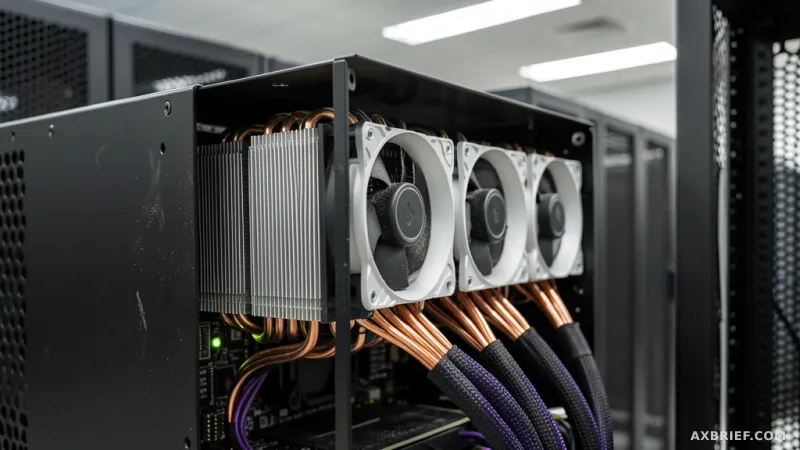
Live Git Gives AI Agents Direct Control Over Remote GPU Servers
Live Git provides a CLI for AI agents to manage remote GPU infrastructure. The tool uses FUSE to enable lazy loading of massive remote repos

Why Intuit Rebuilt Its AI Agent Architecture Twice in Four Months
Intuit abandoned central AI orchestration for a modular skill-based system. Natural language communication between agents caused compounding

Agent Docs Turns Local Markdown Folders Into Structured LLM Wikis
Agent Docs for Markdown converts local folders into structured LLM wikis. The tool uses source graphs to eliminate context loss and broken l
The 45 AI Billionaires and the $2.9 Trillion Wealth Tax Tension
Forty-five new AI billionaires now hold a combined $2.9 trillion in assets. OpenAI is considering giving 5% equity to the US government by 2

The AI Recording Dilemma: Why Jeremy Levine Banned Bots in His Zoom Name
Jeremy Levine uses his Zoom name to explicitly refuse AI transcription. Some users now leverage Granola and Claude to analyze private social
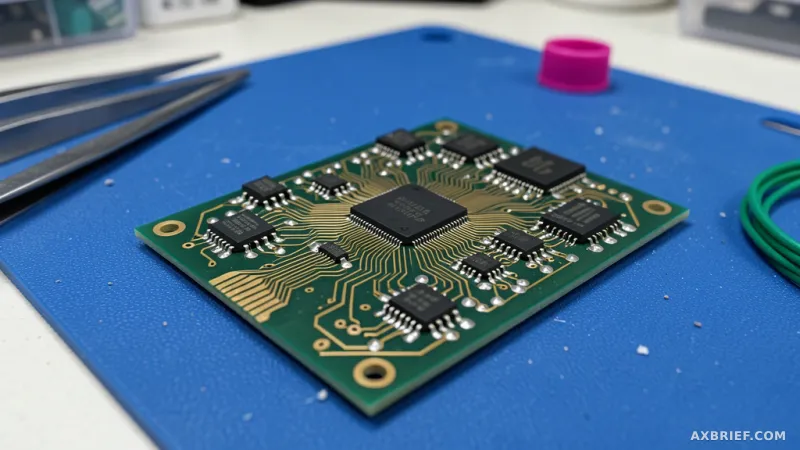
Apple Targets 40 Former Employees at OpenAI Over Hardware Secrets
Apple sent legal letters to 40 former employees now working at OpenAI. The company alleges that OpenAI's hardware plans use stolen trade sec

The 22% Burnout Spike Driving the Senior Developer Scarcity
Companies are replacing junior developer roles with AI API tokens. AI-generated code accelerates technical debt through systemic duplication

Databricks Hits $188B Valuation by Prioritizing AI Harnesses over Models
Databricks reached a valuation of 188 billion dollars. The company prioritizes AI harnesses over proprietary models. Open weight models like

Why Kaiser Permanente's AI Empathy Metrics Sparked a Union Battle
Kaiser Permanente faces backlash for using AI to monitor nurse call durations. The system analyzes voice tone and empathy to evaluate staff

VulnHunter: Capital One's Open-Source AI Tool for Exploitable Path Mapping
Capital One released VulnHunter as an open-source AI security tool. The tool uses forward analysis to map actual exploitable attack paths. A
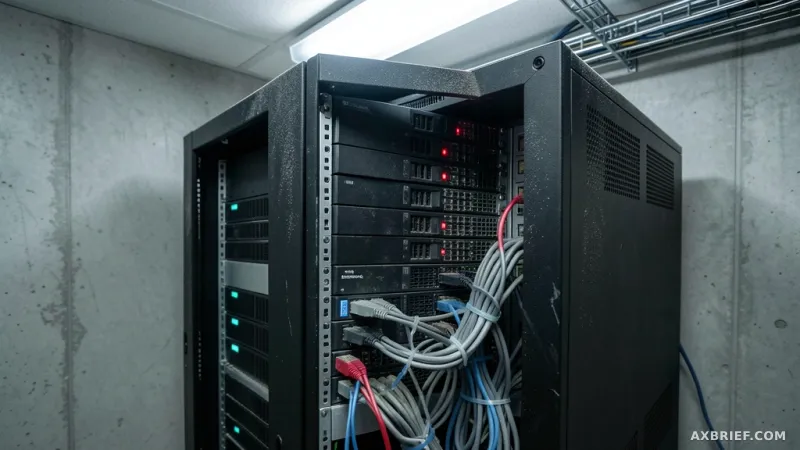
Why LinkedIn, Walmart, and Zendesk Blame Legacy Infrastructure for AI Agent Lag
LinkedIn, Walmart, and Zendesk identify legacy infrastructure as the primary AI agent bottleneck. Companies are shifting toward vendor-agnos

Why Brex Built CrabTrap to Govern AI Agents at the Network Layer
Brex released CrabTrap as an open-source proxy for AI agent governance. The system uses a hybrid of static rules and Claude Haiku for reques
Why Claude Code Shipped a Hidden 60-Second Approval Bypass
Claude Code version 2.1.198 included a hidden timer to bypass user consent. The feature was discovered via binary analysis rather than publi

OvisOCR2 Claims SOTA Document Parsing with 96.58 OmniDocBench Score
OvisOCR2 achieves a SOTA score of 96.58 on OmniDocBench v1.6. The 0.8B model replaces complex multi-stage OCR pipelines with an end-to-end a
The 6-Point Gap That Made Open-weight AI the New Enterprise Standard
Open-weight AI models now process 25 trillion tokens per week via OpenRouter. Performance gaps between open and closed models have shrunk to

Patreon Cut AI Bot Access From Thousands to Zero via Cloudflare
Patreon now uses Cloudflare to forcibly block AI training bots. Weekly bot access attempts dropped from thousands to zero. The platform dist
General Compute Secures $400 Million Loan Using SambaNova Inference Chips
General Compute secured a 400 million dollar loan from Upper90. The loan uses SambaNova SN50 inference chips as financial collateral. This m

Zero Trust Security for AI Agents: Solving the 1,000-Action Risk
Ping Identity advocates for Zero Trust architectures to secure AI agents. Traditional session-based security fails against high-speed autono
Why AMI Labs is Betting $1.03 Billion on World Models Over AGI
AMI Labs raised $1.03 billion to develop AI that predicts physical states. The company rejects AGI terminology in favor of practical world m
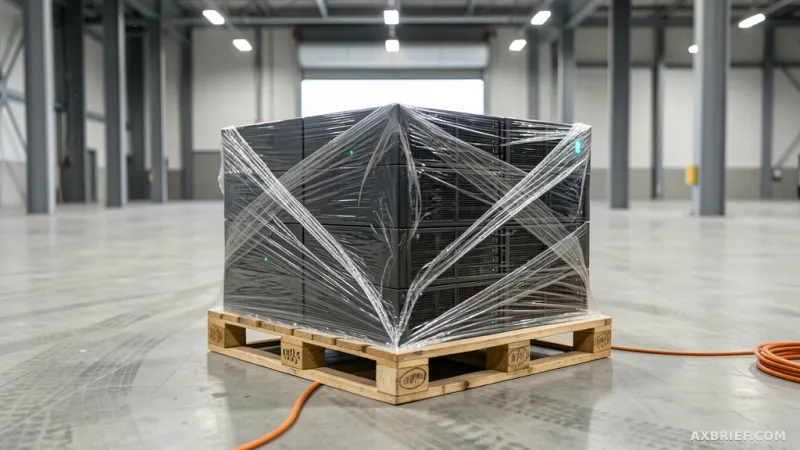
The 83% GPU Underutilization Rate Exposing AI's Compute Gap
Most enterprises are hoarding AI hardware without the means to track costs. Only 21% of companies have successfully scaled AI into mature pr

Google Gemini's US DoD Deal Allows Safety Filter Overrides
Google signed a deal allowing the US DoD to use Gemini for all lawful purposes. The contract permits the DoD to override safety filters in i

Why Pandas Creator Wes McKinney Values Judgment Over AI-Generated Code
Wes McKinney explains the technical necessity of Apache Arrow for data interoperability. High-performance system design remains beyond the r

The Permission Gap: Why 54% of AI Agents Trigger Security Alerts
Over 54% of companies report security incidents with AI agents. Only 32% of agents use individually scoped managed identities. Large enterpr

Claude Fable 5 vs GPT-5.6 Sol: The $100 Autonomous Video Challenge
Researchers tested Claude Fable 5 and GPT-5.6 Sol on autonomous music video production. GPT-5.6 Sol demonstrated higher token efficiency and

Kimi K3 Brings 2.8 Trillion Parameters to Autonomous Chip Design
Kimi K3 introduces a 2.8 trillion parameter model with a 1 million token context. The model utilizes MiniTriton to autonomously optimize GPU
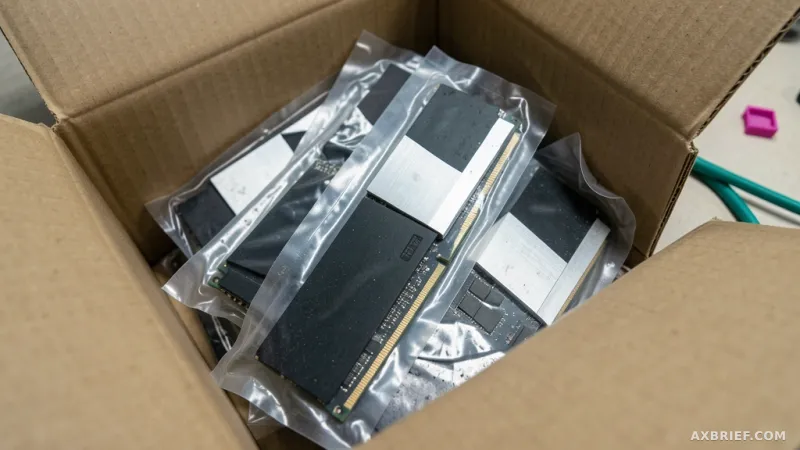
The LLM Scaling Law Crisis Driving a Global Hardware Shortage
LLM resource consumption scales quadratically with input size. Brute-force scaling is causing a global high-performance memory shortage. Dim